

Brain Training for Concussions
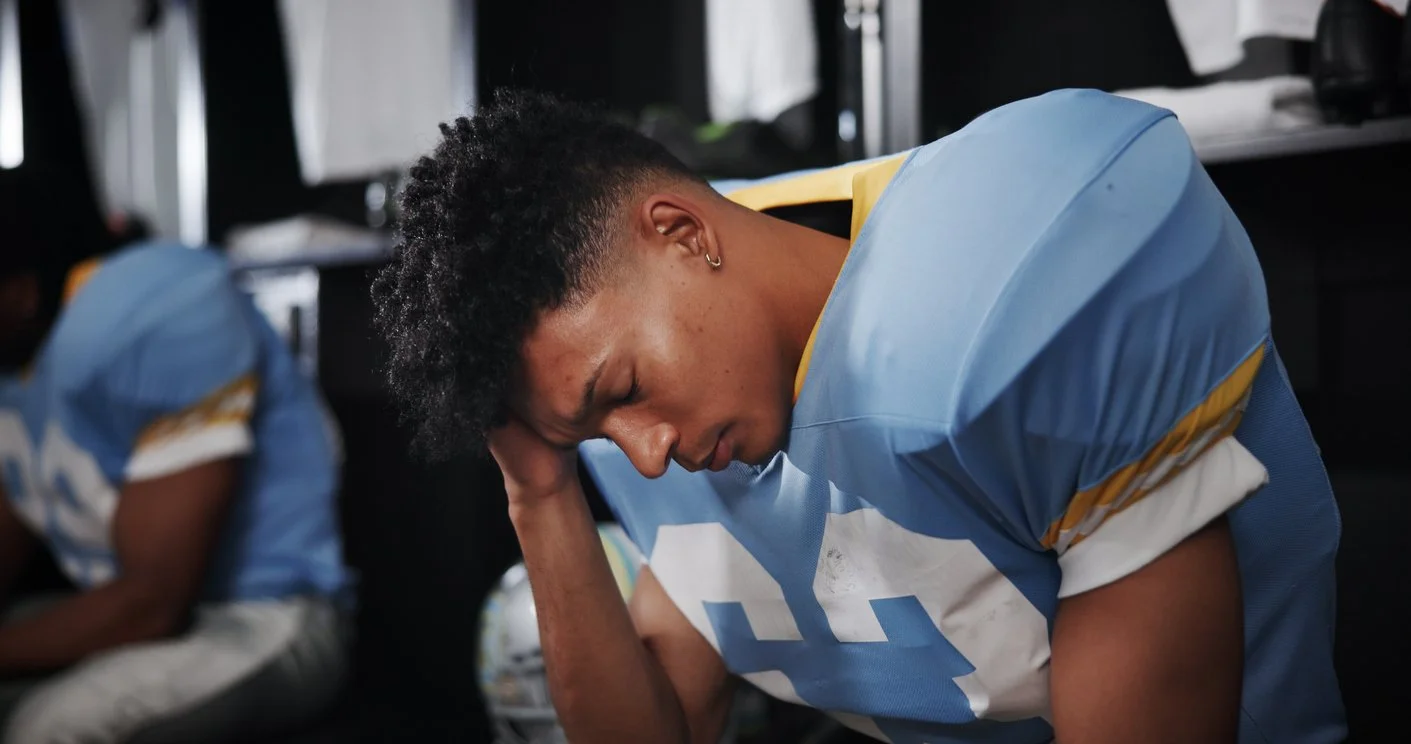
When a Concussion Leaves you Feeling Off
A concussion can affect how you think, feel, and function long after the initial injury. Even when you look fine to others, you may notice that everyday tasks take more effort, your energy runs out faster, or your mind does not feel as sharp as it used to.
People recovering from a concussion may experience headaches, trouble concentrating, memory difficulties, mental fatigue, sensitivity to light or noise, irritability, mood changes, or disrupted sleep. For some, these lingering effects can make it hard to return to work, school, sports, or the activities they enjoy.
Brain training offers a different approach to supporting people dealing with the effects of a concussion. Neurofeedback focuses on helping the brain learn healthier, more balanced patterns of activity. At BrainWaves Neurofeedback, we work with individuals across San Diego and Carlsbad who want to improve brain regulation and feel more like themselves again.
Contact us today to learn more and schedule a consultation.

How Brain Training May Help After a Concussion
Your brain is constantly adapting and reorganizing in response to your experiences. After a concussion, some patterns of brain activity may become less efficient, which can make it harder to focus, process information, manage emotions, or rest well.
Neurofeedback uses real-time information about brainwave activity to help the brain recognize and gradually adjust its patterns. Rather than requiring you to consciously control your brain activity, the process provides feedback that encourages the brain to improve how it regulates itself.
As the brain develops more balanced patterns, people may notice changes such as:
better focus and mental clarity
improved memory and processing
more consistent energy throughout the day
more restful sleep
improved emotional balance
feeling less overwhelmed by busy or stimulating environments
greater confidence returning to daily routines
Changes typically develop over time as the brain learns and reinforces new patterns. Every person responds differently, which is why neurofeedback training should be tailored to the individual's needs and goals.
A Drug-Free Approach to Concussion Support in San Diego and Carlsbad
People recovering from a concussion often use different forms of support as they work toward feeling better. Neurofeedback provides a non-invasive, drug-free option that focuses specifically on brain function and self-regulation. It can be explored alongside the care you receive from your physician, therapist, or other healthcare providers.
During neurofeedback, sensors placed on the scalp monitor brainwave activity. These sensors do not send electrical stimulation into your brain. Instead, they measure activity and allow the neurofeedback system to provide information back to your brain in real time.
Sessions are designed to be simple and comfortable:
Sensors monitor your brainwave patterns.
You relax while watching a screen or listening to audio.
Your brain receives feedback based on its activity.
The brain gradually learns to recognize and adjust its patterns.
Training is personalized according to your individual needs and goals.
Neurofeedback does not require demanding mental effort during a session. Instead, the goal is to help your brain become more efficient at regulating its own activity, which can be especially appealing for people who tire easily after a concussion.
What to Expect from Brain Training Sessions
Recovering from a concussion can be frustrating, especially when symptoms linger longer than expected. At BrainWaves Neurofeedback, we focus on making the neurofeedback process approachable and helping you understand what to expect before moving forward.
Your first visit provides an opportunity to discuss your concerns, learn how neurofeedback works, and determine whether brain training may be appropriate for your goals. Many training plans begin with non-diagnostic QEEG brain mapping, which offers a closer look at brainwave activity and helps guide a personalized approach.
During your visit, you can expect:
a conversation about your injury and the challenges you are experiencing now
an explanation of how neurofeedback and brain training work
time to ask questions about the process
a discussion of your individual goals
guidance about potential next steps if you choose to continue
BrainWaves works with children, teens, and adults, and programs are personalized based on factors such as age, goals, and individual brain training needs.
Frequently Asked Questions About Concussions and How Neurofeedback Can Help
-
BrainWaves uses neurofeedback to support healthier brain regulation, which some people find helpful as part of their approach to concussion recovery. Because every injury and every brain is different, individual responses to brain training can vary.
-
A concussion is a type of brain injury that can disrupt how the brain communicates and regulates its activity. This may contribute to challenges such as trouble concentrating, memory difficulties, headaches, fatigue, mood changes, and sleep problems.
-
No. Neurofeedback is not a substitute for medical care. Anyone who has recently hit their head or is experiencing new or worsening symptoms should be evaluated by a medical professional. Neurofeedback is a non-invasive, drug-free form of brain training that can be explored alongside the care you receive from your providers.
-
No. Some people explore neurofeedback soon after their injury, while others come to BrainWaves months or even years later because they are still noticing lingering effects. Your history and current concerns can be discussed during your initial visit.
-
Sensors are placed on your scalp to monitor brain activity while you relax and watch a screen or listen to audio. Your brain receives feedback in real time, helping it recognize and gradually adjust its patterns.
-
No. Neurofeedback is drug-free and non-invasive. It uses sensors to monitor brain activity and does not involve electrical stimulation.
-
Yes. Athletes of all ages may explore neurofeedback as part of their overall recovery. Decisions about returning to play should always be made with guidance from a qualified medical provider.
-
Every brain responds differently. Some people may notice subtle changes during their first several sessions, while lasting improvements generally develop through a series of sessions as the brain learns and reinforces new patterns.
-
BrainWaves offers neurofeedback for several concerns that can sometimes occur alongside concussion symptoms, including headaches, sleep concerns, anxiety, depression, and difficulties with focus or mental clarity. Your individual concerns can be discussed during your initial evaluation.
Start Brain Training Today with BrainWaves Neurofeedback
You do not have to accept feeling foggy, drained, or not quite yourself after a concussion. If lingering symptoms are affecting your focus, memory, sleep, mood, or ability to get back to the life you enjoy, neurofeedback may be worth exploring. BrainWaves Neurofeedback works with individuals in San Diego, Mission Valley, and Carlsbad to provide personalized brain training designed to support healthier patterns of brain activity. Contact us today to schedule a consultation and learn whether neurofeedback may be a good fit for your goals.