
What to Expect During Your First Neurofeedback Appointment
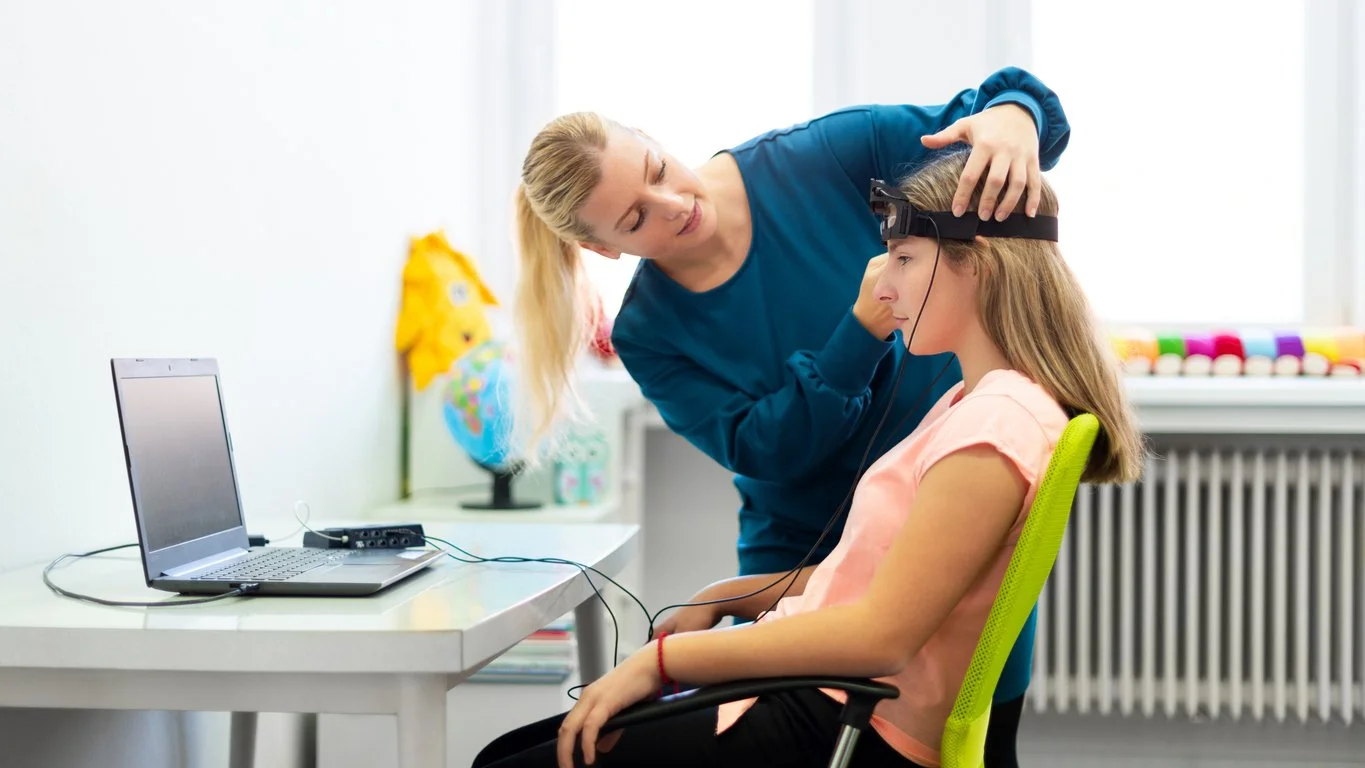
Trying something new for your brain can feel exciting and a little uncertain at the same time. Many people who reach out to us have read about neurofeedback, heard about it from a friend, or had it recommended by someone they trust, but they are not quite sure what actually happens once they walk through the door. That is completely understandable.
At BrainWaves Neurofeedback, we want you to feel comfortable and informed from the very beginning. In this article, we will walk you through what a first neurofeedback appointment typically looks like, how to prepare, and what happens as your training gets started.
A Quick Refresher on Neurofeedback
Neurofeedback is a non-invasive form of brain training. Sensors placed on the scalp read your brain's electrical activity in real time. That information is translated into feedback, usually through a movie, a game, or sound. When your brain produces patterns that are closer to the target we are working toward, the feedback rewards it. Over time, your brain learns to produce those patterns more easily on its own.
Nothing is put into your body, and no electricity is sent into your brain. The equipment simply listens to the activity your brain is already producing and reflects it back to you. Many people describe the experience as relaxing, and some even look forward to their sessions as a calm part of their week.
Before Your Appointment
Your neurofeedback journey usually begins before you ever arrive. When you schedule, we will typically ask you to complete intake forms and questionnaires. These cover your background, your current concerns, your sleep habits, your daily routine, and most importantly, your goals.
We encourage you to be as open and thorough as you feel comfortable being. The more we understand about what you want to improve, whether it is focus, sleep, stress, emotional balance, or performance, the better we can shape a training plan that fits you.
To help your first visit go smoothly, we generally recommend the following:
Get a good night of sleep beforehand if possible. Arrive with clean, dry hair that is free of oils, gels, sprays, or heavy conditioners, since these can interfere with the sensors. Eat a normal meal so you are not distracted by hunger. Keep your caffeine intake consistent with what you usually have, and let us know if anything about your day is out of the ordinary. Bring any questions you have written down so nothing gets forgotten.
The Intake Conversation
When you arrive for your first appointment, we start by getting to know you. This conversation is relaxed and personal. We will review the information from your intake forms, ask follow-up questions, and talk through what has been going on in your life.
We also take time to explain how neurofeedback works, what the equipment does, and what a typical training plan looks like. This is your chance to ask anything on your mind. There are no silly questions. Many people ask how many sessions they might need, how soon they may notice changes, or what the sessions will feel like. We will answer honestly and help you set realistic expectations.
For parents bringing in a child or teen, this is also a great time to share observations about your child's routines, school experiences, and behavior at home. We want both you and your child to feel at ease before we begin.
QEEG Brain Mapping
In many cases, the first appointment includes, or is followed shortly by, a QEEG brain map. QEEG stands for quantitative electroencephalogram. It is a recording of your brainwave activity that is analyzed and compared against a normative database.
During the recording, you will wear a snug fabric cap fitted with sensors. We apply a small amount of conductive gel to help the sensors pick up a clear signal. You will sit quietly with your eyes open for a period of time and then with your eyes closed. The recording itself usually takes around 20 to 30 minutes.
The QEEG we use is non-diagnostic. It is not used to label any condition. Instead, it shows us which areas of the brain may benefit from training and which frequencies we might want to encourage or calm. Once the data is analyzed, we review the results with you and connect what we see to the goals you shared. This information becomes the foundation of your personalized training plan.
Your First Training Session
Once we have a plan in place, it is time for training. Depending on scheduling and the results of your brain map, your first training session may happen at a separate visit shortly after your initial appointment.
Here is what a typical training session looks like. You will sit in a comfortable chair while we place a few sensors on your scalp, usually along with one or two on your ears. The number and placement of sensors is guided by your brain map. Setup takes just a few minutes.
Then the training begins. You might watch a show or movie, play a simple game, or listen to sounds. When your brain moves toward the target patterns, the feedback continues smoothly. The picture may get brighter, the sound may become clearer, or the game may progress. When your brain drifts away from the target, the feedback changes slightly. You do not need to force anything or try especially hard. Your brain naturally responds to the feedback and begins learning.
Most training sessions last around 30 to 45 minutes. Throughout the session, we monitor the process and make adjustments as needed.
How You Might Feel Afterward
Every person responds a little differently. After the first session, many people feel relaxed or calm. Some notice they sleep a bit more soundly that night. Others feel the same as they did before, which is completely normal. Neurofeedback is a learning process, and changes tend to build gradually over a series of sessions.
Occasionally, people feel slightly tired or have a mild, temporary change in how they feel after a session. We encourage you to pay attention to how you feel in the hours and days after training and share those observations with us at your next visit. Your feedback helps us fine-tune your plan.
What Happens Next
After your first appointment, we will talk with you about a recommended schedule. Consistency matters with neurofeedback, so training is typically scheduled a couple of times per week at the start. As you progress, we will check in regularly about your goals and how daily life is changing.
Many clients also choose to complete a follow-up QEEG after a series of sessions. Comparing a new map to the original helps us see how patterns have shifted and whether any adjustments to your training would be helpful.
Starting Your Neurofeedback Journey With Confidence
Your first neurofeedback appointment is all about getting to know you, understanding your goals, and laying the groundwork for training that is designed around your brain. From the intake conversation to brain mapping and your first session, every step is comfortable, non-invasive, and focused on your needs. Knowing what to expect can make it much easier to take that first step, and we are here to guide you every step of the way.
Frequently Asked Questions About Your First Neurofeedback Appointment
How long is the first neurofeedback appointment?
The first appointment usually runs longer than a standard training session because it includes an intake conversation and often a QEEG brain map. Plan for about one to two hours, depending on what is included.
Does neurofeedback hurt?
No. Neurofeedback is completely non-invasive and painless. The sensors only read your brain's activity, and nothing is sent into your brain or body.
Do I have to do anything special during a session?
Not really. You simply relax and watch, listen, or play while your brain responds to the feedback. There is no need to concentrate hard or try to control the results.
Can I bring my child to their first appointment?
Yes. Parents are welcome and encouraged to attend. Sharing your observations helps us better understand your child's needs, and your presence can help your child feel more comfortable.
Will I notice changes after my first session?
Some people notice feeling calmer or sleeping better after the first session, while others notice changes more gradually. Neurofeedback is a learning process, so progress typically builds over a series of sessions.
BrainWaves Neurofeedback offers non-invasive neurofeedback training and non-diagnostic QEEG brain mapping for children, teens, and adults in San Diego and Carlsbad, California, with personalized plans built around each client's goals. If you are ready to schedule your first appointment or have questions about getting started, contact us today.
